Plants That Work Too

Ethan Sullivan
| 22-01-2026
 · Nature Team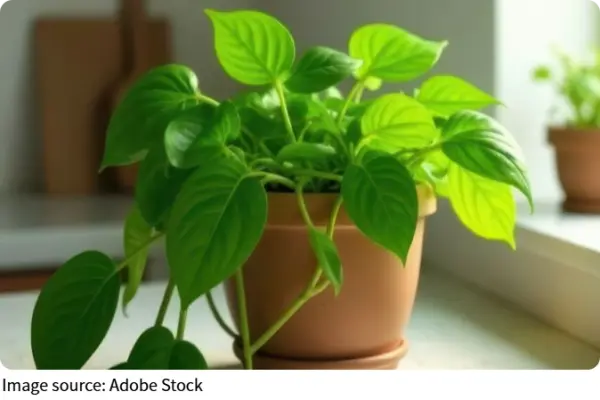
I once sat through a 3-hour Zoom meeting with my forehead resting on my keyboard. Then I put a little snake plant next to my monitor. Didn't fix the meeting. But afterward? I felt less like a zombie. Coincidence? Maybe. But science says no—plants on your desk actually help you focus, recover from mental fatigue faster, and make fewer errors.
And no, you don't need a jungle. Just one good leafy coworker. Turns out, greenery isn't just decor. It's a cognitive reset button. Staring at leaves for 40 seconds—even fake ones in one study—improves concentration.
Real plants? Even better. They lower stress hormones, reduce mental fatigue, and weirdly, make you feel more in control of your space. Which, if you've ever felt buried under Slack pings, you know matters.
Why your brain loves a leafy desk buddy?
It's not woo-woo. It's biology. Humans evolved outside. Our nervous systems still respond to natural elements—even tiny ones. A plant on your desk triggers something called "soft fascination." It's gentle stimulation. Not distracting. Calming. Your brain gets a micro-break without zoning out.
Research led by Dr. Tove Fjeld, a professor at the Norwegian University of Life Sciences, examined office workers over an extended period and found that the presence of indoor plants was associated with fewer reported health complaints, reduced fatigue, and a lower number of sick days. Importantly, the workload itself did not change; rather, the plants appeared to influence how employees experienced and coped with their work environment.
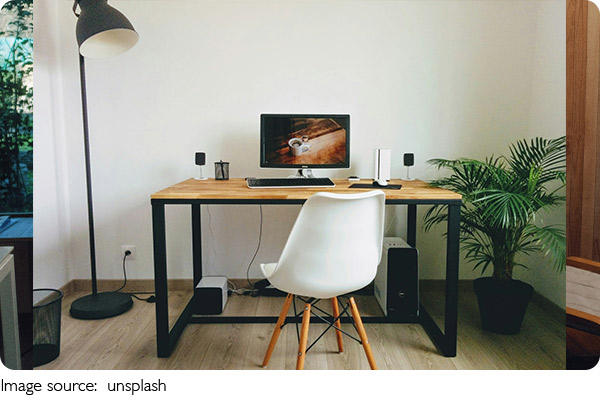
Top 5 desk plants that pull their weight
Not all plants thrive under fluorescent lights and AC drafts. These do—and they're proven focus boosters.
1. Snake Plant – The ultimate office wingman. Thrives on neglect. Filters toxins. Releases oxygen at night (yes, even on your desk). Sharp vertical lines? Subconsciously help you feel more alert.
2. ZZ Plant – Looks like it's made of plastic. Basically indestructible. Handles low light, dry air, and your 3-week vacation. Its glossy leaves reflect light—subtle brightness boost for gray cubicles.
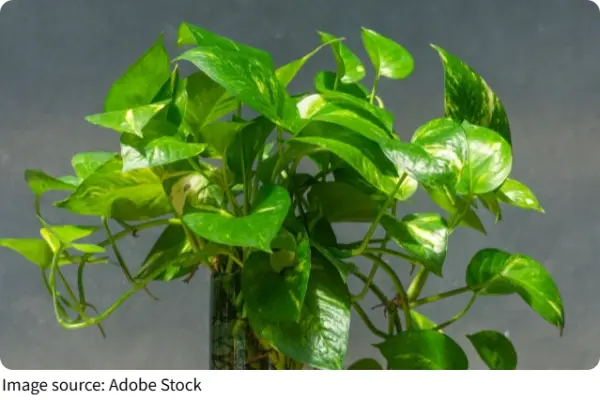
3. Pothos – Trails beautifully off shelves or monitors. Fast grower = visible progress = tiny dopamine hits. Studies show watching something grow—even slowly—improves mood and task persistence.
4. Peace Lily – If your office has decent light, this one's a triple threat: removes air pollutants, blooms white flowers (visual calm), and dramatically droops when thirsty—so you never damage it by accident.
5. Peperomia – Compact. Textured leaves. Loves indirect light. Doesn't spread. Doesn't shed. Just sits there looking like a tiny sculpture that happens to lower your heart rate.
Where to put them for max brain gains?
Placement isn't random. Put your plant where your eyes land when you look up from your screen. That's your reset zone.
• Left corner of your desk – Keeps it in peripheral view. Gentle, constant presence.
• On top of your monitor (if lightweight) – Forces you to look up and away from the screen every few minutes. Natural eye break.
• Next to your notebook or mousepad – Tactile reminder to pause, breathe, touch a leaf before replying to that annoying email.
Don't shove it behind your laptop. You'll forget it's there. Out of sight = out of brain benefits.
Less stress, fewer mistakes
A study at a tech firm found employees with plants on their desks made 12% fewer errors on repetitive tasks. Why? Plants reduce "attention fatigue." Your brain doesn't have to work as hard to stay focused when there's a little natural softness in your field of view.
Sharper focus, Fewer errors, Less burnout—all from something that costs less than your monthly coffee budget.
Keep it simple
You're not signing up for a side hustle. These plants need almost nothing.
• Water snake plant or ZZ every 3–4 weeks. Seriously.
• Wipe pothos leaves monthly—dust blocks light and dulls their stress-busting effect.
• Peace lily? Water when it droops. It'll bounce back in an hour.
• Peperomia? Bright spot, water when soil's dry. Ignore the rest.
No fertilizer. No misting. No drama.
They make your space feel like yours
Open-plan offices worse because they feel impersonal. Cold. Temporary. A plant—even a tiny one—marks territory. Says, "This is my space. I'm rooted here." That sense of ownership? It reduces anxiety. Increases engagement. Makes you feel less like a cog.
Customize the container. Use a mug you love. A thrifted tin. A colorful ceramic. The container matters almost as much as the plant. It's your signature in a sea of beige desks.
Your plant doesn't care about your KPIs
And that's the point. It's not judging your inbox. It doesn't care if you missed a deadline. It just grows. Slowly. Steadily. Without panic.
Watching that? It's contagious. You start breathing deeper. Sitting up straighter. Taking the 10-second pause before replying to the passive-aggressive Slack message.
Your plant won't finish your report. But it'll help you finish it without wanting to throw your laptop out the window.
So—what's the first task you'll tackle with a little green teammate by your side?