Store Veggies

Mason O'Donnell
| 23-01-2026
 · Food Team
We've all been there: You buy fresh veggies, only to have them wilt, spoil, or lose their crispness days later. It's frustrating, especially when you've spent time choosing the best produce.
But the good news is that storing vegetables properly doesn't require any special skills, just a little know-how. In this article, we'll show you the best ways to store your vegetables so they stay fresh and tasty longer.
Why Proper Storage Matters?
Vegetables are full of nutrients, but those nutrients can degrade quickly if they're not stored correctly. Proper storage can extend the shelf life of your veggies and help maintain their texture and flavor. Storing them the right way also helps to avoid unnecessary waste and saves you money. But it's not just about freshness—it's about nutrition too! The longer veggies stay fresh, the more nutrients they retain.
1. Know Which Veggies Need the Fridge
Some vegetables are best kept in the fridge to slow down the ripening process and prevent spoilage. But not all veggies need refrigeration, so it's important to know which ones do.
Why it's important?
Cooler temperatures help extend the shelf life of certain vegetables by slowing down the metabolic processes that lead to ripening and decay.
Actionable tips:
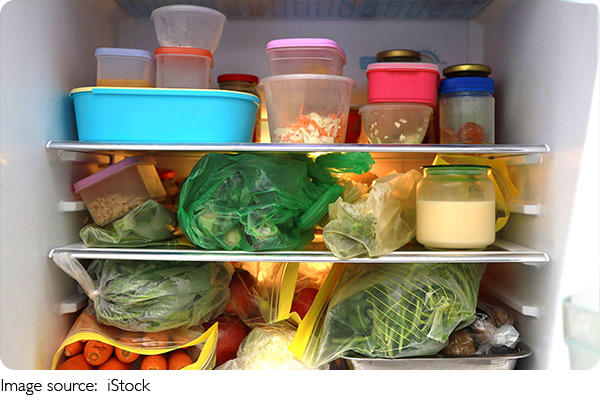
1. Leafy greens like spinach, lettuce, and kale should always be stored in the fridge. Keep them in perforated plastic bags or containers with ventilation to prevent wilting.
2. Carrots, cucumbers, and celery love the coolness of the fridge too. Store them in the crisper drawer in airtight containers to keep them crunchy.
3. Broccoli and cauliflower also fare best in the fridge. Wrap them in a damp paper towel and store them in a container to keep them fresh.
2. Some Veggies Do Better at Room Temperature
Not every vegetable likes the cold! Storing certain vegetables in the fridge can actually make them spoil faster or lose their flavor.
Why it's important?
Room temperature storage helps prevent some veggies from becoming too mushy or losing their taste. These vegetables continue to ripen after harvesting, so storing them at room temperature can encourage proper ripening.
Actionable tips:
1. Tomatoes should never go in the fridge! The cold can alter their texture and flavor. Store them on the counter, away from direct sunlight, and they'll ripen perfectly.
2. Avocados, bananas, and onions are best kept at room temperature until they ripen. After that, you can move them to the fridge if you're not ready to eat them yet.
3. Sweet potatoes and butternut squash do better in a cool, dry place, like a pantry. Keep them away from sunlight to avoid sprouting.
3. The Art of Storing Fresh Herbs
Herbs like basil, parsley, and cilantro are more delicate than regular vegetables and can be a bit tricky to store. But if you treat them right, they can last for up to a week or longer.
Why it's important?
Herbs lose their flavor and texture quickly, so keeping them fresh is key to enjoying their full flavor in your meals.
Actionable tips:
1. For basil: Store it like a bouquet of flowers. Place the stems in a glass of water on the counter and cover with a plastic bag. Change the water daily to keep it fresh.
2. For cilantro, parsley, and mint: Trim the stems and place them in a jar of water, like basil, and store them in the fridge. Cover the tops with a plastic bag or a damp paper towel.
3. Thyme, rosemary, and oregano: These hardy herbs can be stored in the fridge in airtight containers or in a dry, cool place on the counter. They tend to last longer in a dry environment.
4. Proper Storage for Root Vegetables
Root vegetables like potatoes, carrots, and beets need special attention to maintain their quality.
Why it's important?
Root vegetables are stored underground, so they need a cool, dark, and dry environment to stay fresh. Excess light and moisture can cause sprouting, rotting, or mold growth.
Actionable tips:
1. Potatoes: Store them in a cool, dark place like a pantry or cupboard. Keep them in a breathable bag or basket to ensure air circulation.
2. Carrots and beets: While they can be stored in the fridge, they should be placed in perforated plastic bags to allow moisture to escape and prevent them from getting slimy.
3. Onions and garlic: These are best stored in a cool, dry, and dark place with good airflow. Avoid storing them near potatoes, as they release moisture that can make potatoes sprout.
5. Use Ventilated Storage for Better Airflow
Many vegetables need ventilation to stay fresh longer. Lack of airflow can cause vegetables to trap moisture, leading to mold or rot.
Why it's important?
Good airflow helps reduce moisture buildup and keeps the vegetables from becoming soggy or spoiled.
Actionable tips:
1. Store leafy greens and herbs in perforated bags or containers to allow moisture to escape while maintaining a slightly humid environment to keep them crisp.
2. Use mesh bags or baskets for potatoes and onions to keep them ventilated and avoid condensation. Avoid using plastic bags for these, as they trap moisture.
3. Keep tomatoes and avocados uncovered or in breathable storage containers, as they need to “breathe” and ripen properly.
Final Thoughts: Small Efforts, Big Results
Storing vegetables the right way doesn't have to be complicated. With just a little planning and organization, you can keep your veggies fresh for longer and reduce food waste. Whether you're refrigerating leafy greens, leaving tomatoes on the counter, or storing root vegetables in a cool, dry place, these small adjustments can make a big difference in your kitchen. So next time you shop for fresh produce, remember these storage tips and enjoy your vegetables at their best for longer!