Vegetable Planting

Santosh Jha
| 22-01-2026
 · Food Team
Ever stopped to think about where your vegetables come from and how they reach your plate? While vegetables are often seen as the eco-friendly choice, their production still carries an environmental footprint.
From water use to soil health, understanding the impact of vegetable farming can help us make smarter decisions.
1. Water Consumption
Vegetable crops require significant water, especially those grown in regions that rely on irrigation. Leafy greens, tomatoes, and cucumbers are particularly thirsty. Overwatering can deplete local water resources, affecting communities and ecosystems downstream. Efficient irrigation methods like drip systems or rainwater harvesting can drastically reduce this impact. Water conservation specialists, including Dr. Gene Giacomelli from the University of Arizona's Controlled Environment Agriculture Center, emphasize that such technologies are essential for maintaining a balanced ecosystem and sustainable water use in agriculture.
2. Pesticides and Fertilizers
Chemical inputs help maximize yields but can have unintended consequences. Fertilizers can leach into rivers and lakes, leading to nutrient pollution and algae blooms that harm aquatic life. Pesticides, meanwhile, may affect non-target insects, including pollinators. Integrated pest management, crop rotation, and organic fertilizers are practical alternatives that lower environmental risks and support long-term farm sustainability.
3. Soil Health
Intensive vegetable farming can degrade soil over time. Continuous planting without rotation or cover crops can reduce soil fertility and increase erosion. Maintaining soil health through composting, mulching, and crop rotation not only supports long-term productivity but also prevents sediment runoff into nearby waterways. Healthy soil also stores carbon, contributing to climate change mitigation.
4. Energy and Carbon Footprint
Farming vegetables requires fuel for machinery, transport, and sometimes climate-controlled greenhouses. This energy use contributes to greenhouse gas emissions. Locally grown produce and seasonal selections can cut down transportation emissions, while adopting renewable energy sources on farms can further reduce the carbon footprint.
5. Biodiversity Considerations
Large-scale monoculture vegetable fields reduce habitat variety for wildlife. Pollinators, birds, and beneficial insects often struggle to find food and shelter. Diversifying crops and maintaining hedgerows or wildflower strips encourages biodiversity, improving ecosystem resilience and even natural pest control. This approach also enhances soil health and reduces reliance on chemical interventions.
6. Packaging and Waste
Vegetables often require packaging for transportation and sale, which adds to plastic waste and landfill pressure. Choosing loose, unpackaged produce, or biodegradable packaging can significantly reduce environmental impact. Composting vegetable scraps also closes the loop, turning waste into valuable soil nutrients that enrich future crops.
7. Practical Steps for Consumers
- Buy seasonal and local produce to reduce transport emissions.
- Support farms that use sustainable practices like drip irrigation and organic fertilizers.
- Minimize packaging by using reusable bags or containers.
- Compost your vegetable scraps to return nutrients to the soil.
- Diversify your diet—different vegetables reduce demand pressure on specific crops.
- Learn about farm practices by visiting local markets or farm websites—awareness encourages more eco-conscious choices.
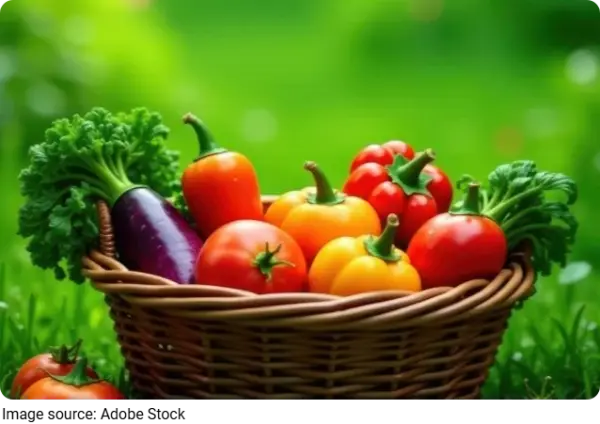
Vegetable farming may seem harmless, but it interacts with water, soil, energy, and ecosystems in complex ways. By understanding these effects, we can support sustainable practices and make choices that are both healthy for us and kinder to the planet. The next time you pick up a basket of fresh vegetables, remember that your choices influence the environment far beyond your kitchen. Making small adjustments—like choosing seasonal produce, reducing packaging, or supporting farms that prioritize soil and water health—adds up to a meaningful difference over time.
Being mindful about how vegetables are grown helps us enjoy the benefits of healthy eating while respecting the delicate balance of nature. Every salad or stir-fry becomes not just a meal, but a step toward a more sustainable world. With collective effort, our daily food choices can help reduce environmental strain and promote resilient, thriving ecosystems for generations to come.