Creative Sparks in Moto Mods
Santosh Jha
| 05-02-2026
 · Vehicle Team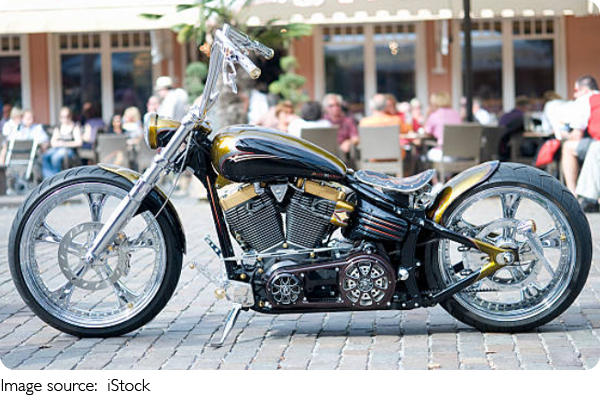
Crowds gather, engines roar, and a dazzling array of motorcycles gleam under the lights.
Every year, motorcycle modification competitions push riders and builders to go beyond standard designs, creating machines that aren't just fast—they're works of art.
But where does this creativity come from? Behind every custom bike is a story of inspiration, observation, and bold experimentation.
Nature as a Design Muse
Many builders find inspiration in the shapes, patterns, and colors found in nature. A curved tree branch might suggest a sleek frame, or the iridescent sheen of a beetle can guide a paint job. The key is translating organic ideas into mechanical form.
Surface textures: Builders often study natural surfaces—like the grooves on a seashell—to create unique textures on a bike's body. Using techniques such as laser engraving or layering clear coats, they can replicate these subtle patterns.
Color palettes: Vibrant sunsets, deep forest greens, or ocean blues frequently inspire paint schemes. Combining multiple shades can create a gradient effect that makes the motorcycle visually pop.
Biomimicry in mechanics: Some innovators mimic natural movement. For example, suspension systems can be adjusted to emulate the flexibility of a bird's wing, improving both aesthetics and performance.
By observing the world outside the garage, builders turn ordinary sights into extraordinary machines.
Everyday Objects and Urban Influence
City life offers a surprising amount of design cues. Street signs, industrial architecture, and even furniture can spark inventive motorcycle concepts. The key is to look at ordinary objects and ask: “How can this be reimagined on a bike?”
Geometric patterns: Grates, staircases, and railings provide ideas for frame structures. Builders can use these as templates for angular, eye-catching designs.
Industrial textures: Rusted metal, concrete, and pipes inspire both raw aesthetics and functional solutions. Exposed piping or metal finishes give bikes a gritty, mechanical appeal.
Functional repurposing: Everyday items like headlights from vehicles or grills from appliances can be adapted to create unique lighting or bodywork, showing innovation without compromising functionality.
Urban environments are essentially playgrounds for designers who know how to spot potential in mundane objects.
Technology and Cross-Discipline Inspiration
Many groundbreaking modifications come from blending disciplines. Automotive, aerospace, and even fashion design influence how bikes are built today. Exposure to different industries sparks ideas that might seem unrelated at first glance.
Aerodynamics from racing cars: Streamlined fairings inspired by high-speed vehicles reduce drag and give the bike a futuristic look. Builders can experiment with adjustable wings or vents for both form and function.
Material experimentation: Using carbon fiber, aluminum alloys, or composite plastics borrowed from aviation allows builders to reduce weight while increasing strength, creating sleek profiles that were impossible with traditional steel.
Lighting and electronics: LED patterns inspired by stage lighting or wearable tech can be integrated into dashboards, wheel rims, and body panels, turning the bike into a moving spectacle at night.
The intersection of technology and artistry often produces bikes that look like they're from the next decade.
Personal Stories and Cultural References
A builder's own experiences and passions can be a rich source of creativity. Bikes often carry personal narratives or subtle nods to favorite hobbies, sports, or pop culture elements.
Tributes: Some bikes pay tribute to a loved one, a pet, or a personal milestone through design motifs, engraving, or customized paint.
Pop culture influence: Comics, films, or music can inspire graphic styles, color choices, and even mechanical gimmicks like retractable seats or hidden compartments.
Lifestyle elements: Surfers, skaters, and outdoor enthusiasts often embed their hobbies into the design. A bike might feature storage for boards, extra rugged tires, or a design that reflects an adventurous spirit.
When personal identity drives creativity, the result is always unique and meaningful.
Iteration and Collaboration
In many competitions, the most original bikes come from trial and error combined with teamwork. Builders sketch, mock up, and rebuild multiple times, often incorporating feedback from peers or mentors.
Prototype testing: Early models allow designers to see how ideas translate from paper to metal. Adjusting angles, colors, or ergonomics during this phase ensures the final product works perfectly.
Collaborative workshops: Working with painters, welders, and digital designers adds fresh perspectives. Someone might spot an opportunity or solve a problem the primary builder never considered.
Continuous inspiration loops: Builders often attend exhibitions, follow online communities, and interact with fans to refine concepts. Observing what resonates with audiences can spark the next big innovation.
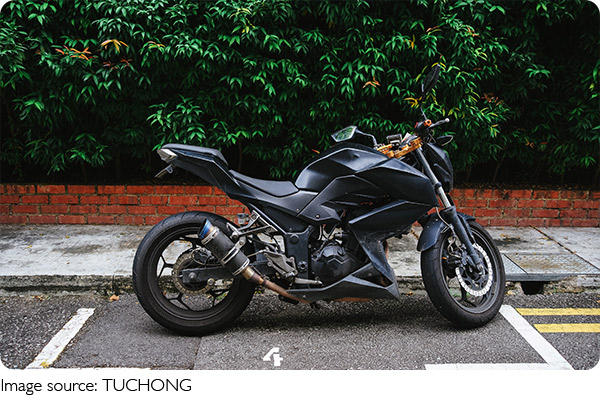
Iteration isn't just about correcting mistakes—it's about discovering unexpected design possibilities. Watching a motorcycle competition isn't just about the speed—it's witnessing imagination in motion. Builders draw inspiration from nature, cities, technology, personal stories, and collaboration. Each bike tells a story, revealing how creativity can transform a machine into an expression of identity and art.
Next time you see a custom bike, take a moment to consider the sparks that made it possible; behind the gleaming metal and roaring engine lies a universe of ideas brought to life.