Sharing the Ride

Ravish Kumar
| 05-02-2026
 · Vehicle Team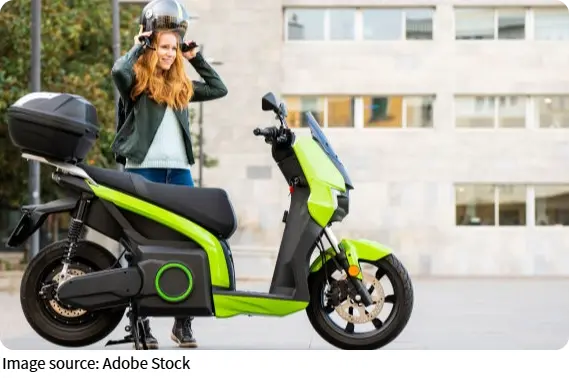
A row of parked motorcycles, all ready to unlock with a smartphone, has become a familiar sight on city streets.
Motorcycle sharing is transforming how people move, offering a flexible, cost-effective alternative to owning a vehicle.
Yet, as convenient as it is, the system comes with unique challenges that companies and riders must navigate to make it sustainable.
1. Rising Popularity and Adoption
Motorcycle sharing appeals to urban commuters, tourists, and anyone looking for a quick, flexible ride. Its growth is fueled by technology and changing transportation habits.
App-based accessibility: Users can locate, reserve, and unlock motorcycles directly through apps, reducing friction and making short trips more convenient than public transit or taxis.
Cost savings: Without ownership costs like insurance, maintenance, or fuel, shared motorcycles offer a more affordable way to travel, particularly for infrequent riders.
Variety of models: Shared fleets often include scooters, electric motorcycles, and small cruisers, letting riders choose the right bike for their trip length, style, and comfort.
These features explain why motorcycle sharing is increasingly attractive to a broad audience, from commuters to casual users.
2. Environmental and Urban Benefits
Sharing motorcycles can reduce traffic congestion and emissions while improving urban mobility.
Lower emissions: Electric shared motorcycles produce no tailpipe emissions, contributing to cleaner air in crowded cities.
Reduced parking demand: Fewer privately owned vehicles on the street mean more efficient use of limited urban parking spaces, freeing room for pedestrians and cyclists.
Traffic efficiency: Smaller, agile motorcycles navigate congested roads more easily than cars, helping users reach destinations faster and reducing overall congestion.
By offering a sustainable, space-saving alternative, motorcycle sharing aligns with broader goals of efficient, eco-friendly urban mobility.
3. Technology as a Driving Force
Digital tools and smart systems are central to the success of motorcycle sharing programs.
GNSS tracking: Real-time location tracking allows users to find nearby bikes quickly and ensures operators can monitor fleet distribution efficiently.
Digital payments: Cashless transactions through apps simplify rentals and reduce administrative overhead, making the service seamless for both users and operators.
Data analytics: Usage data helps operators identify high-demand routes, optimize fleet placement, and predict maintenance needs, ensuring reliability and customer satisfaction.
Technology not only enables convenience but also improves operational efficiency and service quality.
4. Operational Challenges
Despite its advantages, motorcycle sharing faces hurdles that can affect both riders and providers.
Maintenance and wear: Shared motorcycles experience heavy, continuous use, making regular maintenance essential to prevent breakdowns and ensure safety.
Parking and theft issues: Bikes left in unauthorized areas or stolen require effective monitoring and enforcement, increasing operational complexity.
User behavior: Riders may neglect safety rules or mishandle vehicles, so education campaigns, app reminders, and deposit systems are critical for promoting responsible use.
Addressing these challenges is crucial for sustaining growth and trust in shared motorcycle programs.
5. Future Trends and Opportunities
The motorcycle sharing industry is still evolving, offering multiple avenues for expansion and improvement.
Integration with other mobility services: Combining motorcycle sharing with buses, trains, and bike rentals creates seamless multimodal transportation options for urban residents.
Electric fleet expansion: More electric motorcycles in shared fleets reduce emissions further, lower operating costs, and attract eco-conscious users.
Subscription and membership models: Offering flexible plans, such as monthly memberships or pay-per-ride options, encourages consistent usage and builds loyalty among riders.
Motorcycle sharing has the potential to redefine urban transport, blending convenience, sustainability, and cost efficiency. For riders, it's an exciting way to explore the city without the burdens of ownership, while operators face the ongoing task of balancing growth with reliability and safety. With thoughtful implementation, this system could become a permanent, transformative feature of modern urban life.