Why Dogs Need Walks

Finnegan Flynn
| 18-03-2026
 · Lifestyle Team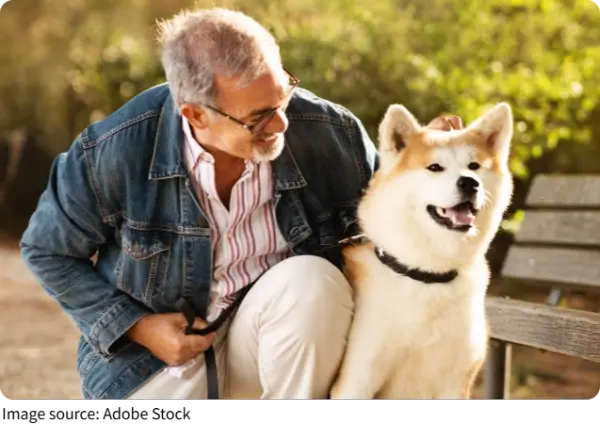
Have you ever wondered why your dog gets excited at the sight of a leash? Or why, as soon as you mention “walk,” they seem ready to go?
It's not just about fresh air or stretching a little. Walking is a foundational part of a dog's wellbeing, touching on their body, mind, behaviour, and even social life.
For dogs, daily walks are far more meaningful than simple movement; they are a core part of how dogs experience the world and stay balanced.
Physical Health Benefits
Daily walks play a major role in keeping a dog physically healthy. Just like humans, dogs need regular activity to keep their hearts strong and bodies limber. A consistent walking routine helps:
1. Strengthen muscles and joints – Regular movement supports overall mobility and reduces stiffness over time.
2. Maintain healthy weight – Walking burns energy and helps regulate calorie balance, which protects against obesity related issues.
3. Improve cardiovascular health – Moving at a steady pace supports heart and respiratory system function.
4. Aid digestive rhythm – Physical activity helps the digestive tract stay regular and efficient.
These benefits are part of why many vets recommend at least one daily walk, with more for high energy dogs or breeds that need extended activity.
Mental Stimulation and Exploration
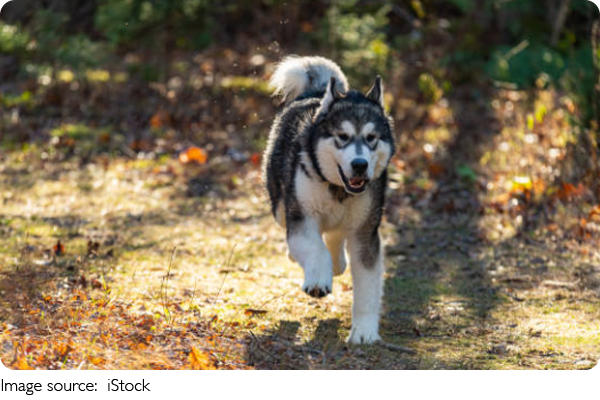
Dogs don't just walk to move; they walk to experience. Their world is driven by scent and sensory input, and a walk exposes them to a multitude of new smells, sounds, and sights. This kind of sensory engagement:
• Keeps their minds active and alert.
• Reduces boredom that can lead to destructive behaviours at home.
• Encourages natural curiosity and exploration.
For a dog, every scent on a walk tells a story. A backyard alone often doesn't provide enough novelty to satisfy their senses, which is why dogs tend to become excited or seem restless when walk time approaches.
Routine and Structure Matter
Dogs are creatures of habit. Predictable routines make them feel secure and grounded. Daily walks serve as reliable markers in their day, helping to structure their time and energy. When this structure is missing, dogs may display anxiety, pacing, or attention seeking behaviours simply because they lack a regular outlet for physical and mental engagement.
Establishing a consistent walking schedule gives dogs something to look forward to and helps reinforce good behaviour patterns. Even brief walks can make a noticeable difference in reducing anxiety and promoting calmness.
Social Interaction and Confidence Building
Walks are also social experiences. Dogs often encounter people, other dogs, and new environments during a walk. This exposure helps them learn appropriate social cues, become more confident in unfamiliar settings, and develop better manners over time. Proper socialization is essential for a well adjusted dog, and daily walks naturally create opportunities to practise these skills in real world situations.
For shy or nervous dogs, gradual exposure to new sights and interactions on walks can boost confidence and reduce fear based behaviours. This is especially true when the walk is paired with positive reinforcement and calm guidance from the owner.
Bonding Time with Their Human
Walks are more than exercise—they are shared experiences. Time spent together outdoors strengthens the bond between dog and owner. Walking side by side fosters trust and communication, reinforcing your role as a source of support and companionship. Even short moments on a neighborhood route can result in a happier, more secure pet.
Because dogs are socially oriented animals, these shared activities deepen the connection and contribute to emotional wellbeing.
A More Balanced Life
When we look at why dogs persistently signal or gesture that they want to go for a walk, the answer emerges clearly: walking meets core physical, mental, and emotional needs. From health to sensory enrichment and social confidence, walks enrich nearly every aspect of a dog's life.
Daily walks are not just a routine task—they are an essential part of helping a dog live a fulfilled and balanced life. They remind us that for dogs, exploration and engagement are not luxuries; they are necessities. As owners, recognizing and responding to this need honors not only their vitality but also the deep, instinctive connection they have to the world around them.