Autumn Forest Photography

Finnegan Flynn
| 24-03-2026
 · Travel Team
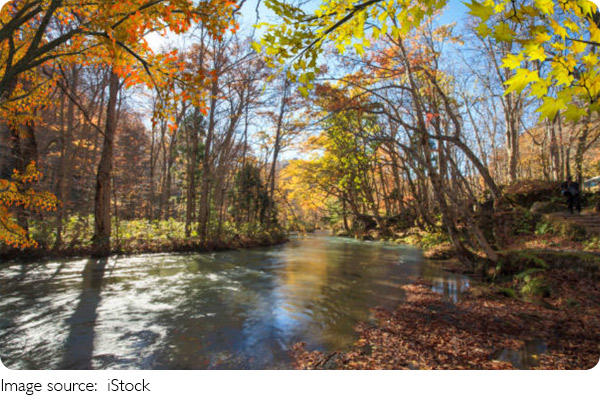
Autumn transforms forests into vibrant mosaics of gold, red, and orange.
This seasonal change provides photographers with a rare opportunity to capture the beauty of nature in a fleeting moment.
Whether you are an amateur or a professional, understanding light, composition, and camera settings is essential for creating striking images. Autumn photography is not just about documenting colors—it is about conveying mood, texture, and the atmosphere of the forest.
Choosing the Right Time and Light
1. Golden Hours
The early morning and late afternoon offer soft, warm light that enhances the rich colors of autumn leaves. Shooting during these “golden hours” reduces harsh shadows and creates depth in your photos.
2. Overcast Days
Cloudy skies act as a natural diffuser, softening light and enhancing saturated colors. Overcast conditions are ideal for capturing the forest floor and leaf textures without glare.
3. Avoid Midday Sun
Harsh sunlight can create unwanted shadows and wash out colors. Planning your shoots around softer light conditions improves both color vibrancy and detail.
Composition and Framing Techniques
1. Leading Lines
Use forest trails, rivers, or rows of trees to guide the viewer's eye through your photo. Leading lines add depth and dimension to your composition.
2. Foreground Interest
Include fallen leaves, mushrooms, or textured tree bark in the foreground to create a sense of scale and immersion.
3. Framing with Trees
Natural frames, such as overhanging branches or arching tree trunks, draw attention to the main subject and create visual balance.
4. Perspective Variation
Experiment with low angles close to the forest floor or higher viewpoints to highlight patterns in leaf coverage and canopy structures.
Camera Settings and Equipment
1. Lens Selection
Wide-angle lenses capture expansive landscapes, while telephoto lenses isolate details like a single branch or colorful foliage.
2. Aperture and Depth of Field
Using smaller apertures (f/8–f/16) ensures that both foreground and background remain sharp. For selective focus, larger apertures (f/2.8–f/5.6) can emphasize a subject against a blurred background.
3. Tripod and Stabilization
A sturdy tripod is essential for low-light conditions or long exposures, allowing crisp, sharp images even in dim forest light.
4. Filters and Post-Processing
Polarizing filters enhance leaf colors and reduce reflections. Post-processing tools like Adobe Lightroom can fine-tune contrast, saturation, and sharpness while preserving natural hues.
Practical Travel and Photography Tips
1. Transportation
National parks such as Yosemite National Park are best explored by car. Rental vehicles typically start around $50 per day. Roads leading to scenic areas like Glacier Point or Tuolumne Meadows may require careful driving, and in some seasons a 4WD vehicle is recommended for safety.
2. Opening Hours and Fees
Most U.S. national parks are open year-round, generally from sunrise to sunset. Entrance fees at Yosemite are typically around $35 per vehicle for a 3-day pass, making it a cost-effective option for short stays.
3. Accommodation
For an immersive stay, consider Curry Village, one of the most popular lodging areas inside the park. Prices usually start around $150–$300 per night depending on the type of cabin or tent. For a more upscale experience, another excellent option is The Ahwahnee. This historic hotel offers elegant interiors, fine dining, and iconic views of the surrounding cliffs, with prices generally ranging from $300–$600 per night depending on the season.
Within the same area, visitors can enjoy casual dining options such as pizza decks, grills, and cafeterias, making it convenient after a long day of hiking or photography. Meals here typically range from $15–$30 per person, offering a practical and accessible dining experience without leaving the park.
4. Safety and Gear
Wear waterproof boots and layered clothing, as mountain weather can change quickly, especially in autumn. Early mornings are often cold and damp. For photography, bring extra batteries, memory cards, and a weather-resistant camera cover, as remote locations offer limited charging opportunities.
Conclusion: Capturing the Spirit of Autumn
Autumn forest photography is both a technical and creative challenge. The season offers stunning colors, textures, and moods, but capturing them requires planning, patience, and attention to detail. By choosing the right light, composition, and camera settings, photographers can convey the atmosphere of a forest in transition. Beyond technical skills, autumn photography encourages mindfulness—observing subtle changes in leaves, light, and wildlife fosters a deeper connection to nature. Each photograph becomes not just a record of color, but a reflection of the fleeting beauty and tranquility of the forest in fall.